
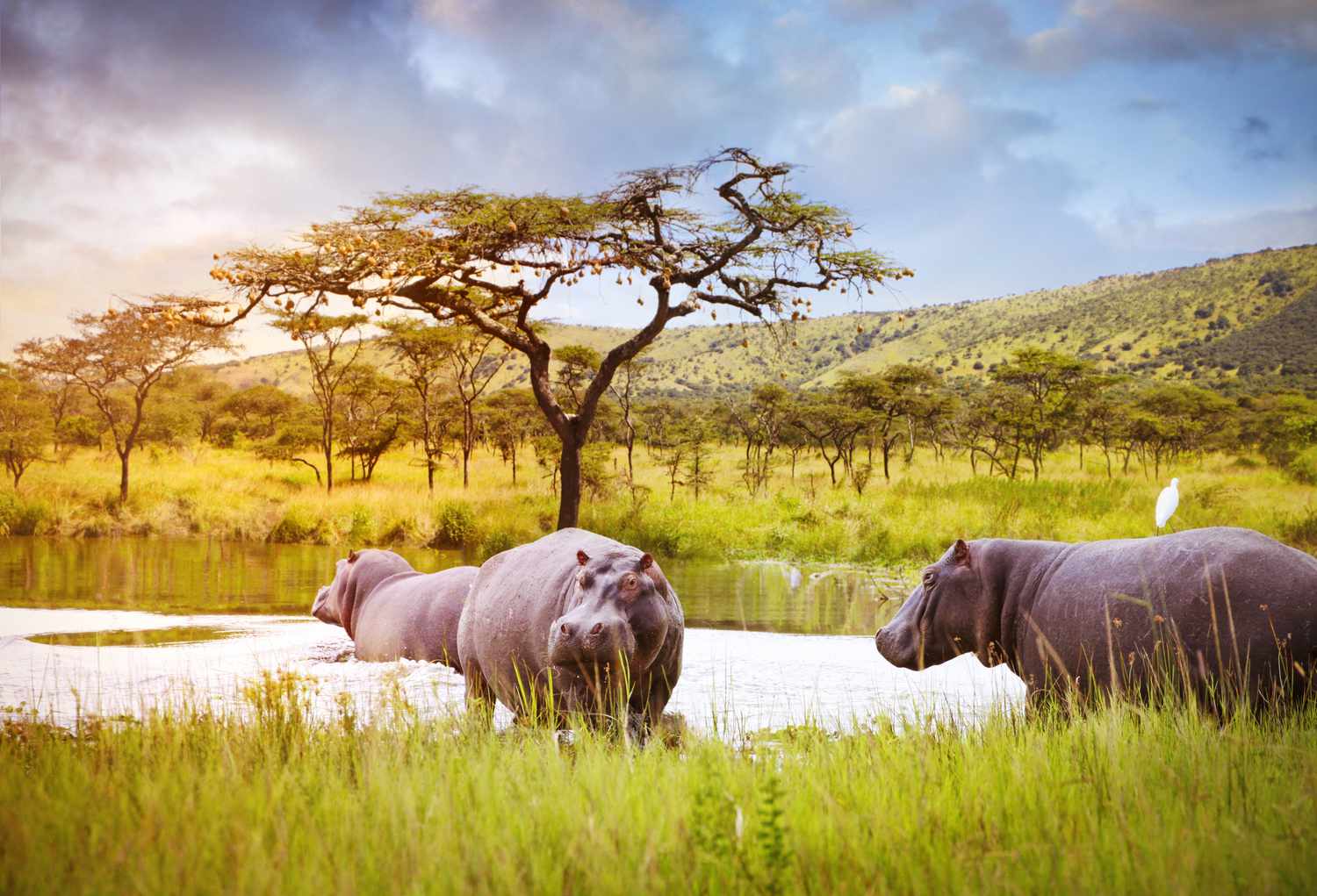
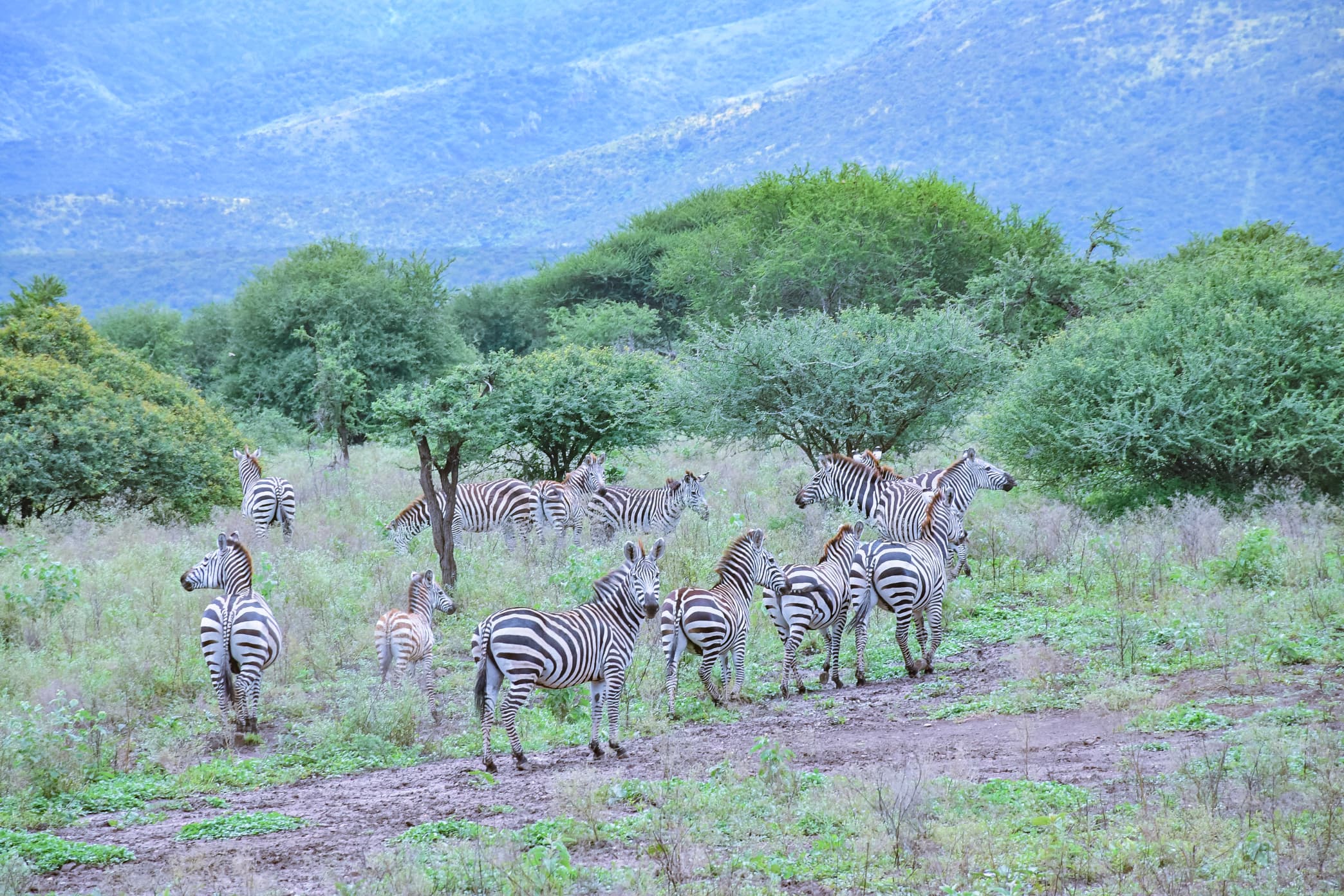
Preserving Biodiversity in the Heart of the Selous-Niassa Corridor Explore one of Africa's largest wildlife corridors, home to elephants, buffalos, and diverse ecosystems nurtured through sustainable conservation efforts. Explore Wildlife through Ecotourism and Photography Capture breathtaking moments across our designated photography zones and experience the harmony of nature through sustainable tourism activities.

Nalika Wildlife Management Area

Nalika Wildlife Management Area (WMA) was established when five pastoralist communities united to protect their grazing land from conversion into farmland. As the largest community conservation area in Tanzania, the WMA empowers local communities by granting them sole legal jurisdiction over their lands. Through this initiative, they safeguard traditional livelihoods while embracing innovative conservation methods. The WMA is a testament to sustainable development, balancing environmental preservation with community benefits through initiatives like forest protection and licensed hunting
Location and Ecosystem

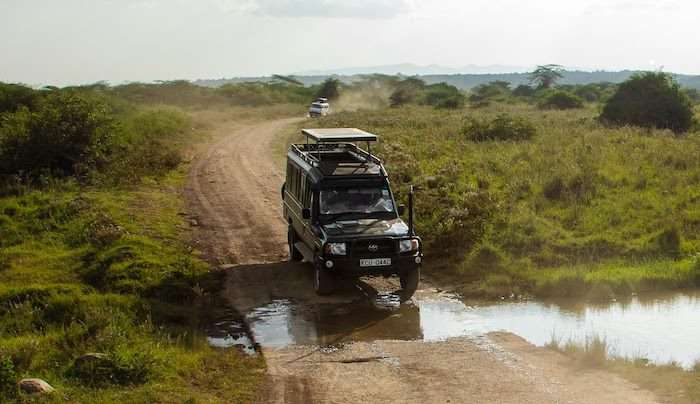
Tunduru WMA lies within the Selous-Niassa Corridor, connecting the Selous Game Reserve and Niassa Game Reserve, known for their diverse wildlife including elephants, buffalos, and sable. The area features miombo woodlandsavannah, and riverine forests, supporting rich biodiversity across varied habitats.

Climate

Nalika WMA has a uni-modal rainfall pattern from November to May, with 800–1,200 mm of rain annually. Temperatures average 21°C, peaking at 29°C between September and May. The seasonal climate supports the area’s rich biodiversity and affects wildlife activity throughout the year.

Wildlife Protection and Conservation

Nalika WMA safeguards its ecosystems through dedicated wildlife protection efforts, covering the entire area. It plays a crucial role in preserving the biodiversity of the Selous-Niassa Corridor, ensuring sustainable conservation through habitat management, anti-poaching initiatives, and community engagement.

WHAT TO DO

Wildlife Protection

Nalika WMA prioritizes wildlife protection by managing the entire area to preserve biodiversity within the Selous-Niassa Corridor. Through anti-poaching initiatives and habitat conservation, the WMA ensures that the ecosystems remain balanced and supports the survival of endangered species.

Tourism Hunting

The WMA operates two designated hunting blocks, providing sustainable tourism hunting opportunities. These regulated activities generate revenue for conservation efforts while maintaining healthy wildlife populations through responsible hunting practices.

Photography Tourism

In addition to hunting, Nalika WMA offers a dedicated photography tourism block. This block allows visitors to explore the region's scenic landscapes, observe diverse wildlife, and capture the beauty of nature while promoting eco-friendly tourism practices.

PROJECTS

Four management strategies/programs have been developed each with specific objectives to achieve and proposed actions/activities and an action plan for the first 3 years has also been developed.

Visitor Use and Revenue Program

Enriches visitor experiences by promoting ecotourism & sustainable, non-consumptive tourism activities.

Carbon Trading Program

Generates income via carbon offsets, promoting reforestation, environmental health, & financial sustainability.

Wildlife-People Relations

Encourages peaceful coexistence between wildlife & local communities for mutual benefit.

Administration and Operations Strategy

Improves governance through infrastructure development, staff training, & capacity-building initiatives.

Natural Resources Management Strategy

Conserves biodiversity by implementing & supporting carbon sequestration initiatives & efforts.

OUR PARTNERS

TOP